
Table of Contents
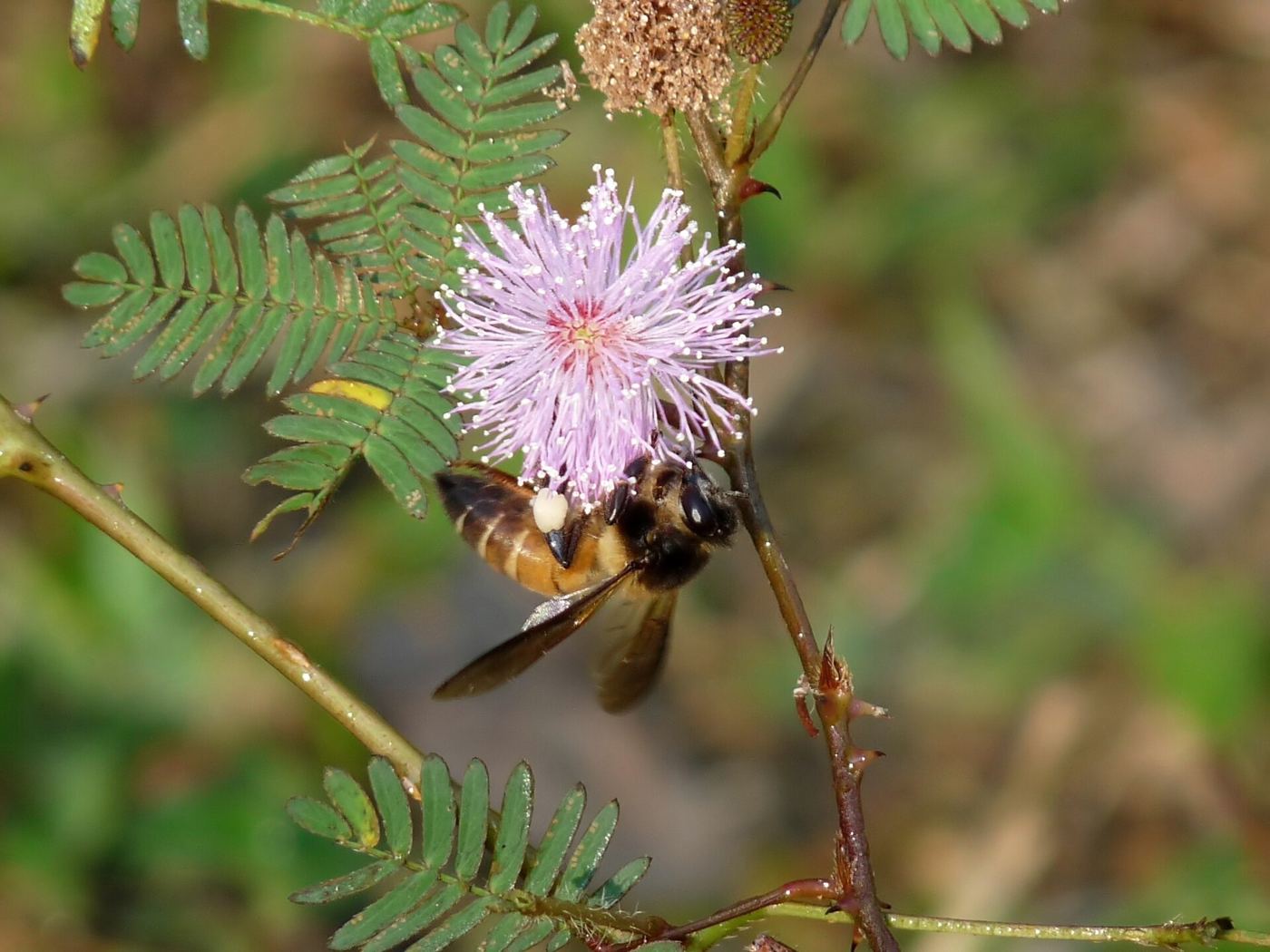
On a bright autumn flower, a honeybee works with remarkable efficiency. As it moves from bloom to bloom drinking nectar, grains of pollen stick to the fine hairs covering its body. The bee combs much of that pollen into special baskets on its hind legs, carrying it home as a rich source of protein for the colony. Pollen matters most as colder months approach, because the hive must raise healthy young bees that will live through winter. Beekeepers watch the colours of pollen loads arriving at the entrance, reading them like a diary of which plants are flowering nearby. Gardeners can read the same story without opening a hive. Bees dusted yellow, orange or purple reveal which flowers are offering pollen that day, and a patch of late blooms will hum with visitors on any mild afternoon. Providing those flowers is one of the simplest wildlife-friendly acts available to anyone with a window box or a small border.
What the Evidence Shows
Inside the hive, pollen is packed into cells and preserved as bee bread, a stored food that nurses feed to developing larvae. A colony short of pollen in autumn may enter winter with too few strong bees, however much honey it holds. That is why conservation groups encourage gardeners to plant flowers that bloom late in the season, bridging the gap before winter. Bees also need variety, since different pollens provide different nutrients. Observing something as simple as a laden honeybee therefore reveals a much larger story about timing, nutrition and the careful preparation behind a colony surviving the cold. Researchers continue to study how pollen diversity affects bee health across the winter. Colonies fed on varied pollen appear better nourished, although weather, disease and hive conditions all play their parts as well. Beekeepers therefore combine good forage with careful checks for pests and enough honey stores left untouched. Reporting and analysis from sources such as National Science Foundation track the same developments, and specialists following honeybee pollen collection say the direction is now consistent across independent lines of evidence.
The Wider Context
The wider context is a research landscape in which replication and open data now decide reputations. Findings connected to honeybee pollen collection are being checked by independent groups with shared datasets, and the teams involved publish their methods in full so rivals can test every step. That discipline is slower than a headline cycle, but it is why results in this area increasingly survive first contact with scrutiny.
What Happens Next
What happens next in the story of honeybee pollen collection will be decided by follow-up work already under way: larger samples, longer observation and instruments that have not yet come online. The researchers involved are unusually united on one point, that the current results justify the next investment of time and money. Readers will not have to wait long for the first tests of that claim. You can follow related developments in our coverage of science.
There is a practical lesson in all of this for readers deciding what to do today. Start with the verified facts, be wary of anyone promising certainty, and prefer reversible steps while the evidence is still developing. Circumstances differ by country, income and personal situation, so general guidance should always be weighed against your own context before you act on it in any significant or lasting way.
